Dry Eye Disease (DED)
Did You Know?
Dry eye disease is rarely caused by just one factor. While many people think dry eyes simply result from not producing enough tears, the condition is often much more complex.
Dry eye disease can be influenced by a combination of factors, including decreased tear production, meibomian gland dysfunction, inflammation, medications, systemic health conditions, hormonal changes, and lifestyle or environmental factors.
Because dry eye disease is multifactorial, successful treatment starts with identifying the underlying causes. By addressing the root cause—not just the symptoms—we can create a personalized treatment plan designed to provide lasting relief, improve comfort, and support long-term eye health.
.jpg)
Aqueous Deficiency
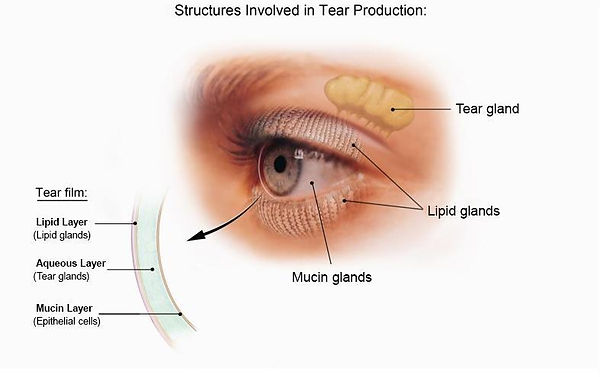
This occurs when the lacrimal glands do not produce enough of the watery layer of tears. The water layer makes up about 90% of the tears. It nourishes the ocular surface with oxygen, vitamins, electrolytes, provides protective proteins, growth factors, and immune factors to fight infections.
Evaporative
Evaporative Dry Eye accounts for approximately 85% of cases. The Lipid/oil layer, produced by the meibomian glands, makes up the outermost layer of the tears. This thin layer prevents the water layer from evaporating off the surface of the eyes. It also helps keep your vision clear and provides comfort every time you blink.
Ocular Inflammation
Ocular inflammation is one of the key drivers of dry eye disease. When the tear film becomes unstable—whether from decreased tear production, excessive evaporation, or other causes—the surface of the eye can become stressed and inflamed. One important marker of this inflammation is Matrix Metalloproteinase-9 (MMP-9). It causes dry spots on the cornea, delayed healing, and increases discomfort.
Systemic Conditions
The most common systemic and autoimmune conditions that are associated with dry eye disease that we screen for include Sjogren's Syndrome, Rheumatoid Arthritis, Lupus, Thyroid Dysfunction, Diabetes Mellitus, Allergies, Hormonal Imbalances, and Rosacea.
Pharmaceuticals
Medications that can cause or worsen dry eyes include Antihistamines (allergy medications), antidepressants, anti-anxiety, high blood pressure meds, diuretics, hormonal therapies, and acne medications.
Lifestyle & Diet
Daily habits can have a significant impact on dry eye symptoms. Prolonged screen time, reduced blinking, poor sleep, dehydration, smoking, and environmental exposures can disrupt the tear film and increase tear evaporation. Poor hydration, diets high in processed foods and sugar, and inadequate intake of healthy fats such as omega-3s can promote inflammation and affect tear quality, making dry eyes worse.
Contact Us
Want to discuss more? Leave your contact information below and we will be in touch shortly!